Maintaining Traffic Signs in all weather.
20th Jan 2026
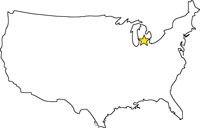
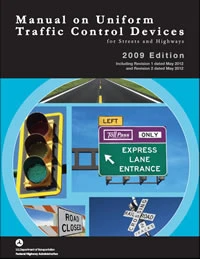
Maintaining MUTCD-compliant traffic signs in Michigan presents unique challenges, especially during this unpredictable transitional season when rain, snow, freezing temperatures, and everything in between can hit within days. At [Your Traffic Sign Company Name], we've seen firsthand how Michigan's harsh and variable winters test the durability and visibility of road signs—and why staying compliant with the Manual on Uniform Traffic Control Devices (MUTCD) (via the Michigan Manual on Uniform Traffic Control Devices, or MMUTCD) is more critical than ever for safety and liability. Key MUTCD Compliance Requirement: Retroreflectivity Federal MUTCD standards (adopted in Michigan) mandate that agencies maintain minimum retroreflectivity levels for signs to ensure they're visible at night and in adverse conditions. Signs must meet specific thresholds (e.g., white ≥ 35 cd/lx/m² on certain colors, with contrast ratios like 3:1 for white/red). These levels degrade over time due to environmental exposure, and non-compliance can lead to safety risks and potential legal issues. Michigan's Winter Weather Challenges Michigan’s climate throws a lot at traffic signs:
- Snow, ice, and freezing rain — Accumulation can obscure signs temporarily, but repeated plowing and salting create long-term wear.
- Road salt and brine — Widely used for de-icing (often with additives like beet by-products for efficiency), salt is highly corrosive. It accelerates fading, peeling, and rust on sign faces, supports, and hardware—especially on aluminum or steel components not properly protected.
- Extreme temperature swings — From cold snaps below 20°F (where salt loses effectiveness) to thaws and refreezes, these cycles cause expansion/contraction stress, leading to cracking in sheeting or loosening of fasteners.
- Slush, spray, and debris — Plows kick up salty slush that coats signs, reducing reflectivity quickly. Rain-snow mixes add dirt and grime buildup.
- UV and seasonal wear — Even in winter, sun exposure (when it appears) fades colors, while moisture accelerates deterioration.
These factors shorten sign life, making regular inspections essential to catch issues before retroreflectivity drops below MUTCD minimums. Practical Tips for Staying Compliant in Michigan Winters
- Schedule proactive inspections post-storm and seasonally—focus on high-priority routes where visibility is crucial.
- Opt for high-durability sheeting (e.g., prismatic types) and corrosion-resistant materials/mountings designed for heavy salt exposure and snow loads.
- Clean signs regularly to remove salt residue and restore reflectivity—simple pressure washing can extend life significantly.
- Replace signs showing fading, cracking, or damage promptly to avoid nighttime hazards when visibility is already reduced.
Michigan's roads demand signs that can withstand the elements while keeping drivers safe year-round. At [Your Traffic Sign Company Name], we specialize in MUTCD-compliant solutions built tough for Michigan conditions—from high-reflectivity sheeting to rugged supports that resist corrosion and wind/snow loads. If you're responsible for roadways in Michigan and facing these seasonal headaches, reach out—we're here to help with expert assessments, durable products, and maintenance guidance to keep your signs compliant and visible. Stay safe out there, Michigan winters are no joke, but the right signs make all the difference.
Your friends at Dornbos Sign Inc.