The Importance of Consistency in Street Name and Traffic Control Signs: Why Uniform Sizes and Colors Matter.
Posted by Jeff Dornbos on 18th Feb 2026
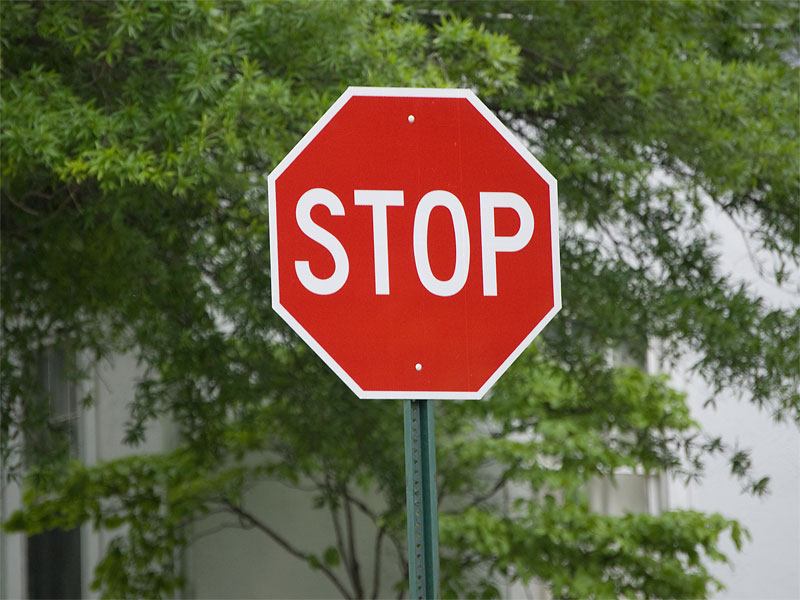 In the world of roadway safety, small details make a big difference. Street name signs, custom street signs, and regulatory traffic signs—such as stop signs, yield signs, speed limit signs, or warning signs serve as silent guides for drivers, pedestrians, and cyclists. When these signs are consistent in design, size, color, and placement, they create a predictable environment that enhances safety, reduces confusion, and improves overall traffic flow.
But what happens when signs vary from one block to the next, or one jurisdiction to another? Inconsistent signage can lead to hesitation, delayed reactions, and even accidents. That's why adhering to national standards for uniformity—and installing MUTCD compliant signs—isn't just a best practice—it's essential.
The Foundation: MUTCD Standards for Uniformity
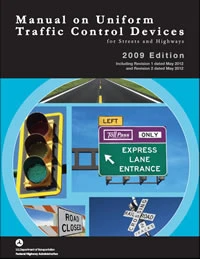
The Manual on Uniform Traffic Control Devices (MUTCD), published by the Federal Highway Administration (FHWA), sets the national standard for all traffic control devices, regulatory street signs, and warning signs on public roads and private roads open to public travel.
The MUTCD emphasizes uniformity in messages, locations, sizes, shapes, and—crucially—colors to ensure drivers across the country interpret signs the same way.
Colors play a key role in instant recognition:
-
Street name signs and custom street name signs typically feature white lettering (and borders, if used) on a green background for clear guidance.
-
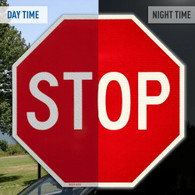
Regulatory signs (like STOP or YIELD signs) use red for prohibitions and commands.
-
Warning signs, such as curve warning signs, chevron road signs, traffic signal ahead signs, and pedestrian crossing signs, use yellow for caution.
-
Guide signs and informational signs often use green, blue, or brown depending on the type of information.
Deviating from these standardized color systems can confuse drivers, especially those traveling from out of town. A consistent color scheme builds driver expectancy—meaning road users know what to anticipate based on familiar visuals.
Sizes also ensure visibility and legibility at appropriate distances. The MUTCD specifies minimum letter heights (e.g., 6-inch initial uppercase letters with 4.5-inch lowercase for many post-mounted street name signs on higher-speed roads, or smaller for low-speed local streets). Regulatory signs such as stop signs, yield ahead signs, and no parking fire lane signs follow similar guidelines to guarantee they're readable day or night—especially when combined with high-performance retroreflective sheeting.
Uniform application of these standards reduces crashes, eases congestion, and even lowers long-term costs through standardization (fewer custom designs mean easier manufacturing, installation, and maintenance).
Key Benefits of Consistent, Standardized Signage
Enhanced Safety
Uniform signs help drivers react faster and more predictably. Studies and real-world experience show that consistency reduces driver confusion, which is a contributing factor in many accidents. For instance, a driver expecting a standard green street name sign will spot and read it quickly—preventing last-second maneuvers.
Improved Navigation and Traffic Flow 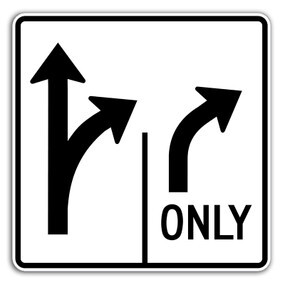
Consistent signage makes roadways more intuitive. Drivers don't waste time deciphering unusual designs, leading to smoother travel, fewer wrong turns, and better overall efficiency. Properly installed custom traffic signs and guide signs support safer roadway design.
Legal and Compliance Advantages
Many jurisdictions risk losing federal funding or facing increased liability if signs don't meet MUTCD sign size and color requirements. Non-compliance can expose agencies or property owners to tort claims if poor signage contributes to an incident.
Cost Savings Over Time
Standardized signs are easier to produce, replace, and maintain. At Dornbos Sign & Safety, we specialize in MUTCD compliant custom road signs and regulatory street signs using high-quality reflective materials such as High Intensity Prismatic (HIP) and Diamond Grade reflective sheeting, ensuring long-term retroreflectivity and nighttime visibility.
Aesthetic and Professional Appeal
Uniform signage gives neighborhoods, communities, and developments a polished, professional look. Whether it’s coordinating custom street signs throughout a subdivision or ensuring traffic control devices align with federal standards, consistency reflects attention to detail and commitment to public safety.
Practical Tips for Achieving Uniformity
-
Audit your existing signs regularly for compliance with current MUTCD guidelines (the 11th Edition is the latest as of 2023/2024 updates).
-
Replace faded, damaged, or non-standard regulatory or warning signs promptly—retroreflectivity naturally degrades over time.
-
Choose durable, .080 aluminum traffic-grade materials with 3M reflective sheeting from trusted suppliers to ensure longevity and performance.
-
For new installations or replacements, prioritize standard MUTCD sign sizes, approved colors, and compliant hardware to maintain a cohesive system.
At Dornbos Sign & Safety, we understand the critical role that reliable, uniform custom street signs, regulatory traffic signs, and reflective aluminum traffic signs play in keeping roads safe and communities thriving. Whether you're updating street name signs for a residential area, installing traffic control devices for a construction project, or ensuring compliance for a municipality, we provide expert guidance and high-quality MUTCD compliant signage solutions.
Ready to bring consistency and safety to your roadways? Contact us today at Dornbossign.com—we'd love to help you get it right the first time.